
Discipline is one of the most underrated yet essential factors in successful trading. While many traders focus on strategies, indicators, and market predictions, long-term success often depends more on how consistently a trader follows their own rules. Discipline helps traders stay focused, manage risk, and make rational decisions — even during uncertain market conditions.
One of the most important roles of discipline is maintaining consistency. Markets change constantly, and no trading strategy works all the time. Disciplined traders understand this and stick to their trading plan rather than reacting emotionally to short-term losses or sudden market moves. This consistency allows traders to evaluate their performance objectively and improve over time.
Discipline also plays a critical role in risk management. Many traders fail not because their strategy is wrong, but because they break their risk rules. Increasing position size after a loss, removing stop-loss orders, or chasing trades are common discipline-related mistakes. Traders who follow strict risk management guidelines — such as limiting risk per trade and respecting drawdown limits — are more likely to protect their capital and stay active in the market longer.
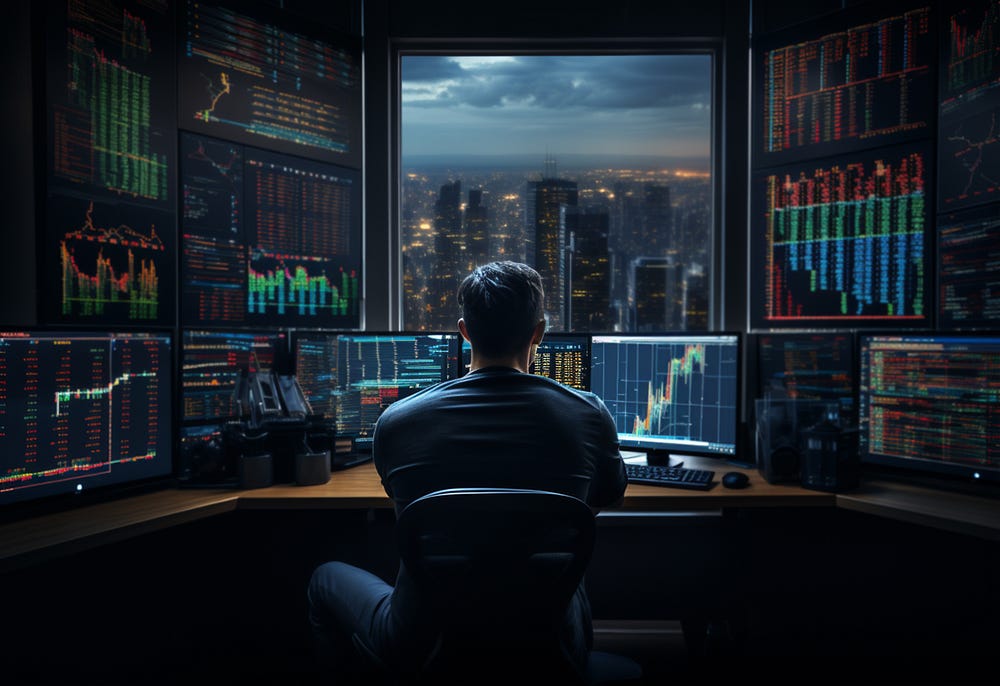
Another key aspect of discipline is emotional control. Trading naturally involves uncertainty, which can trigger fear, greed, or frustration. Without discipline, emotions can take over and lead to impulsive decisions. Disciplined traders accept losses as part of the process and avoid revenge trading. By focusing on execution rather than outcomes, they maintain a steady mindset that supports better decision-making.
Discipline also improves trade selection. Instead of taking every opportunity, disciplined traders wait for high-probability setups that match their trading plan. This reduces overtrading and helps maintain mental clarity. Over time, selective trading leads to more consistent performance and less stress.
For traders working with prop firms or funded accounts, discipline becomes even more important. These environments often have rules related to daily loss limits, maximum drawdown, and consistency requirements. Traders who lack discipline may break these rules despite being profitable overall. Those who follow the rules closely are more likely to remain funded and grow their accounts sustainably.

Building discipline takes time and practice. Simple habits like journaling trades, reviewing performance regularly, and setting clear trading rules can help strengthen discipline. It’s also important to have realistic expectations and focus on long-term growth rather than quick profits.
In the end, discipline is what turns knowledge into results. Strategies may evolve, but disciplined behavior remains the foundation of long-term trading success. Traders who master discipline are better equipped to navigate market challenges and achieve consistent performance over time.